VENUE
The NewSpace Africa Conference heads to West Africa for the first time. Below is what you need to know about getting to and around Dakar — the specific venue building and official hotel rates will be announced on this page as they’re confirmed.
ABOUT THE HOST CITY
Dakar is the capital and largest city of Senegal, located on the Cap-Vert Peninsula on the Atlantic coast. It is the westernmost city on the African mainland and serves as Senegal’s political, economic and cultural centre. The city is known for its strong cultural identity, coastal setting, lively markets, music and arts scene, and a mix of historic and modern architecture. Dakar is a cosmopolitan city where French is the official language, and Wolof is widely spoken in everyday life. Its location on the Atlantic gives the city a strong connection to the sea, from its fishing communities and beaches to its coastal neighbourhoods, restaurants and cultural spaces.
The city also offers a rich connection to Senegal’s history. Its museums, historic districts, markets, and nearby islands offer opportunities to experience the country’s art, heritage, and contemporary culture, alongside its growing role as a regional business and diplomatic centre.
Blaise Diagne International Airport (DSS) is Senegal's main international airport and the primary gateway to Dakar. Located in Diass, approximately 45 km from central Dakar, the airport serves as a regional hub connecting Senegal with destinations across Africa, Europe, the Middle East and beyond. It is also the main hub for Senegal's national carrier, Air Senegal.
Getting Around Dakar: Taxis, buses, and ride-hailing services like Yango and Heetch are widely available for travel within Dakar. For airport transfers, delegates can use airport taxis, ride-hailing services, hotel shuttles or pre-booked private transfers. Delegates using traditional taxis are advised to agree on the fare before departure.
Visa requirements for Senegal vary by nationality. Citizens of countries listed as visa-exempt may enter Senegal for stays of less than three months without a visa, provided they hold a passport or laissez-passer issued by their country of nationality and valid for at least six months. Delegates whose nationality requires a visa should consult the Ministry of African Integration and Foreign Affairs of Senegal for the latest visa requirements and application procedures.
The following countries are visa-exempt to visit Senegal:
- Austria
- Belgium
- Benin
- Brazil
- Bulgaria
- Burkina Faso
- Canada
- Cape Verde
- Central African Republic
- China
- Congo (Brazzaville)
- Croatia
- Cyprus
- Czech Republic
- Denmark
- Djibouti
- Estonia
- Finland
- France
- Gambia
- Germany
- Ghana
- Greece
- Guinea
- Guinea-Bissau
- Hungary
- India
- Italy
- Ivory Coast
- Japan
- Kenya
- Latvia
- Liberia
- Lithuania
- Luxembourg
- Malaysia
- Mali
- Malta
- Mauritania
- Mauritius
- Morocco
- Netherlands
- Niger
- Nigeria
- Poland
- Portugal
- Romania
- Sierra Leone
- Singapore
- Slovakia
- Slovenia
- South Korea
- Spain
- Sweden
- Togo
- Tunisia
- United Arab Emirates
- United Kingdom
- United States of America
Requirements
- A valid passport (at least 6 months' validity)
- A return ticket
- Required vaccinations
Requirements for other countries
- Two passport photos
- The duly completed visa application form
- A valid passport (at least 6 months' validity)
- A return ticket
- Proof of accommodation in Senegal
- Required vaccinations
- Additional entry authorisation or supporting documentation may be required for certain nationalities. Delegates concerned should confirm the applicable requirements and process directly with the nearest Senegalese diplomatic or consular mission before travelling.
Delegates requiring a visa are advised to initiate the visa application process at least 8 weeks prior to their travel date to Senegal, especially where additional travel documentation may be required.
How to Apply for a Visa
Delegates who require a visa to enter Senegal should follow the application process below:
- Download and complete the visa application form.
- Contact the relevant Senegalese consulate in your country before travelling to confirm the application requirements and processing times.
- Submit your application at the consulate, together with your passport, which must be valid for at least six months, and a copy of the first page containing your photograph.
- Additional documents may be required, depending on your circumstances. Please confirm these requirements with the consulate before submitting your application.
- Visas are issued by the consulate, and processing times may vary.
Please note that visa requirements may change. Delegates are strongly advised to confirm the latest entry requirements for their passport with the Embassy or Consulate of Senegal in their country before travelling.
According to the Senegalese Ministry of African Integration and Foreign Affairs, vaccination against yellow fever, DPT, measles, hepatitis A and B is recommended for health protection, but a vaccination certificate is not generally required for entry.
However, a Yellow Card may be required for travellers arriving from or transiting through countries currently affected by yellow fever. Delegates should confirm the latest yellow fever requirements applicable to their itinerary before travelling.
Weather
April is generally a warm, dry and relatively comfortable month in Dakar. Daytime temperatures typically reach around 25°C, while evenings and early mornings can fall to around 20°C. Rainfall is very low, and the city experiences regular sunshine and Atlantic breezes. April can also become increasingly humid as the month progresses.
For the NewSpace Africa Conference 2027, delegates are advised to pack light, breathable clothing such as cotton or linen for daytime activities, along with smart-casual outfits for conference-related activities and evening events. A light jacket, cardigan or shawl may be useful for cooler evenings and air-conditioned indoor spaces. We recommend comfortable walking shoes for exploring the city and visiting cultural sites, while sunglasses, sunscreen and a hat can provide protection during daytime activities. A small umbrella or light rain jacket is optional, as April is typically very dry.
A list of recommended hotels and available preferential rates will be shared with registered delegates once accommodation arrangements and negotiations with participating hotels have been finalised.
Further information, including booking instructions and contact details, will be provided with the hotel list.
AROUND DAKAR

Gorée Island
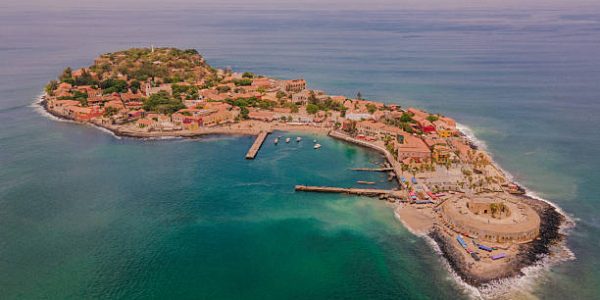
A short ferry journey from Dakar, Gorée Island is a UNESCO World Heritage Site and one of Senegal's most significant historical sites. The island is known for its colourful colonial architecture, quiet pedestrian streets and its role in the history of the transatlantic slave trade. Key sites include the Maison des Esclaves (House of Slaves), Fort d'Estrées and several museums.
African Renaissance Monument
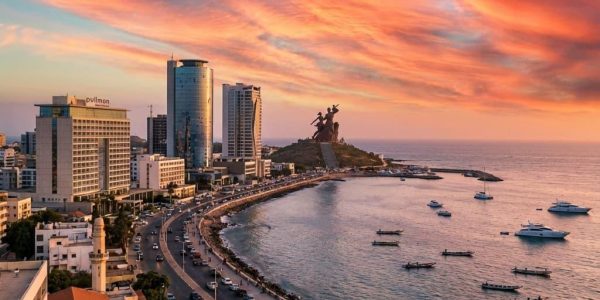
Standing on one of the Mamelles hills overlooking the Atlantic, the African Renaissance Monument is one of Dakar's most recognisable landmarks. The monument symbolises African independence and renewal, and its elevated position provides panoramic views across Dakar and the Atlantic coast.
IFAN Museum of African Arts
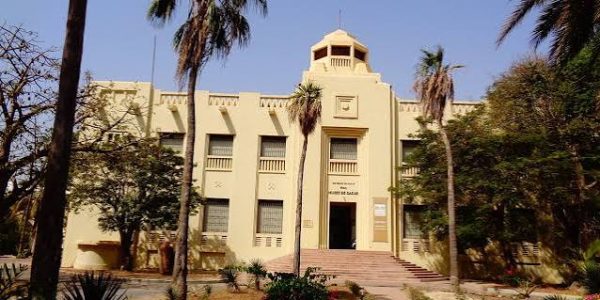
Located in the Plateau district, the Théodore Monod Museum of African Art, commonly known as the IFAN Museum, houses an important collection of African art and cultural objects. It is a useful stop for visitors interested in the artistic and cultural history of West Africa.
Museum of Black Civilisations
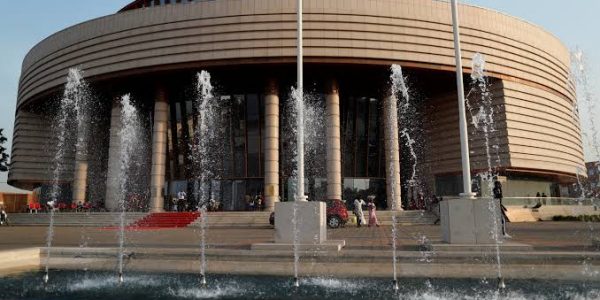
The museum explores African and African-diaspora history, culture and artistic traditions. Its contemporary exhibitions provide a broader perspective on Africa's cultural heritage and its contribution to global civilisation.
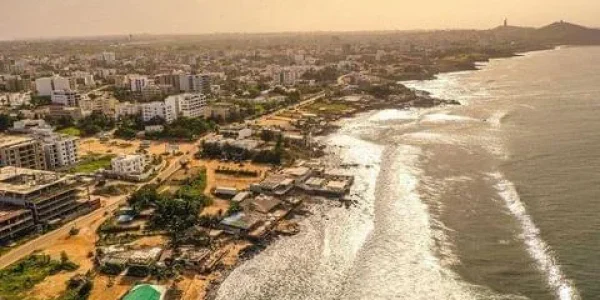
The Corniche
The Corniche follows Dakar's Atlantic coastline and offers views of the ocean, fishing boats and some of the city's most recognisable coastal landmarks. It is particularly pleasant for a morning or late-afternoon walk when temperatures are cooler.
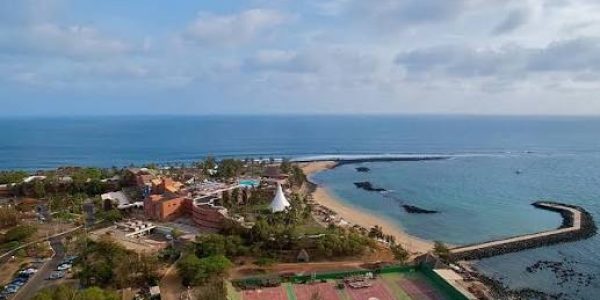
Almadies and Ngor
The Almadies and Ngor areas are popular for their beaches, restaurants and coastal atmosphere. Ngor Island, accessible by a short pirogue ride, offers a quieter setting with beaches, small restaurants and opportunities to experience Dakar's coastal culture.
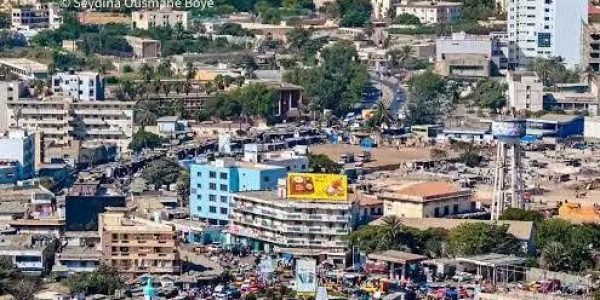
Dakar's Markets
For a more local experience, visitors can explore markets such as Kermel, Tilène and Soumbédioune, where they can find food, fabrics, jewellery and locally produced crafts. The Senegalese Ministry of Culture and Tourism identifies these markets among Dakar's principal attractions.
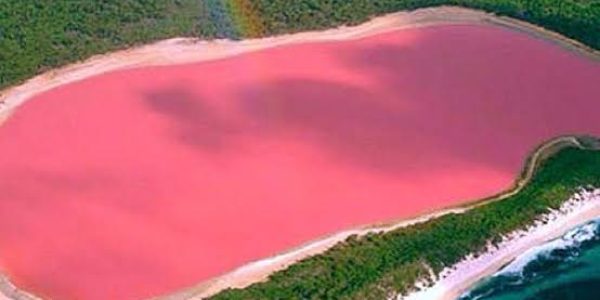
Lac Rose
Located outside central Dakar, Lac Rose (Lake Retba) is known for its distinctive colour and high salt content. Visitors can visit it as a half-day or day trip from Dakar, depending on the itinerary.
Questions about travel? Reach us at info@spaceinafrica.com

